Sensing Safety: Alternative Treatment for Sensory Challenges with Horses
I initially watched a youngster settle right into peaceful close to a horse on a gusty springtime afternoon. The sector tarpaulin waved, an audio that usually sent him sprinting for the exit. That day he pushed a hand to the gelding's shoulder, matched the increase of his breath, then sought out and claimed, "I can handle it." That sentence was not about the tarp. It was about having a body that often shrieked as well loud, and finding a living metronome that used solidity without words.
Horses invite a various discussion concerning feeling. They are large, warm, balanced, and receptive, and those top qualities combine into a grounded way to explore audio, appearance, activity, and social signs. When intended by trained specialists, equine-assisted solutions can be a secure, effective option for people dealing with sensory processing distinctions, anxiety, ADHD, or autism, along with for groups looking for calmer communication in stressful environments.
This is a within consider how therapeutic horsemanship and equine-facilitated wellness develop space for policy, finding out, and confidence. You will certainly find no miracle declares right here. The horses do refrain the help us. They make the job possible.
What makes steeds such potent companions for sensory challenges
A horse reviews the globe with sensation. Skin twitches at a fly, ears check independently for audio, unguis feel the ground with accuracy. Their nervous systems are tuned for survival, which also indicates they spot physical shifts in others at amazingly fine degrees. In technique, this level of sensitivity ends up being psychophysiological feedback you can touch.
The warmth of a horse's body and the persuade of the walk frequently create an arranging rhythm. The majority of equines move at around 80 to 110 steps per minute at a comfy walk. That tempo is close to a managed human relaxing heart rate and tends to calm instead of shock. For several customers, the feeling of a breathing, foreseeable companion is less complicated to process than the fabricated buzz of a center waiting area or a gym full of echoes.
Horses offer clear, prompt effects without pity. Step into a steed's area with too much force, and the steed changes away. Breathe, soften your shoulders, and the steed leans back in. It is relational responses that maps directly to self-awareness. This is why equine-assisted tasks can be effective for anxiety support with horses along with for ADHD equine finding out assistance. Interest and feeling appear in the horse's behavior, then end up being discussable without directing a finger.
What equine-assisted solutions include, and what they do not
The area utilizes overlapping terms, which can perplex households and referrers. In wide strokes:
- Therapeutic horsemanship normally indicates adaptive riding and groundwork under a credentialed trainer who changes tasks to meet specific objectives. Believe balance, coordination, interaction, and confidence with installed and unmounted tasks.
- Equine-assisted services is the umbrella, covering equine-assisted coaching, mental wellness sessions with qualified clinicians, physical or occupational treatment on horseback, and equine-facilitated health care that concentrate on durability and stress and anxiety management.
- Experiential discovering with horses often shows up in institution partnerships, management programs, or group building with equines. These are usually unmounted and emphasize communication, analytical, and team regulation.
These solutions are not replacements for crisis treatment or intensive behavioral therapy. They complement existing assistances. A regular 45 to 60 minute session can reinforce sensory approaches from work-related therapy, turn dealing plans right into embodied practice, and provide a setting to test social abilities with sincere responses from a 1,000 pound teacher.
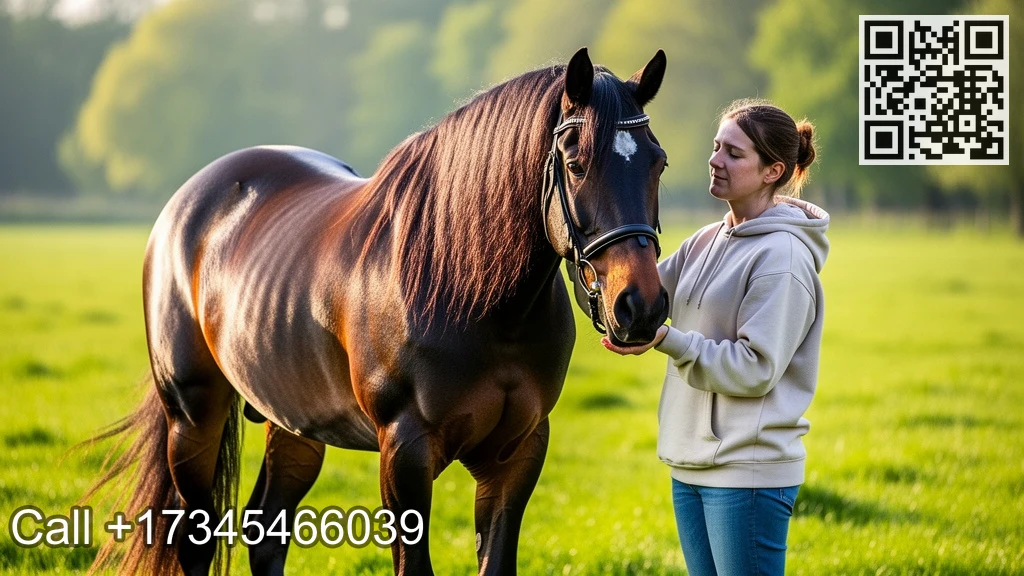
A day in the field: sensory-first planning
A well-run session feels deceptively simple. Underneath is a choreography of security, sensory scaffolding, and selection. When I develop a prepare for a brand-new customer with alternative treatment for sensory obstacles in mind, I start with 3 anchors: foreseeable structure, graded input, and consent.
Predictable structure starts the moment feet hit crushed rock. Many clients favor a low-stimulus path to the barn and a silent grooming area rather than the primary aisle. We keep the lighting steady, avoid solid scents, and make use of soft brushes prior to rigid ones. Headgears are fitted by a trained staffer with sluggish hands and a running story: "I'm lifting the band, you can inform me if it really feels scratchy."
Graded input suggests we titrate experience the method you would come close to a cool ocean, step by step. Foundation comes before riding, walking next to the steed to feel https://www.hhooves.com/experientiallearning his tramps. If installing is suitable, we use a block to decrease the sensation of falling up a wall. We begin with short, straight lines at a stroll prior to turns or adjustments in rate. When somebody reveals indications of flooding, we stop and go back to hand on withers, match the breath, back to yes.
Consent is both honest and sensible. It lowers fight-flight, develops trust, and shows an inner signal for stop and go. We use clear invitations: "Would certainly you such as to attempt leading from the shoulder or staying by the hip?" "Are you okay with the steed relocating better?" The steed's permission matters also. If the horse pins ears throughout brushing, licks and chews, or changes away repetitively, we treat that as details. We can readjust tools, swap horses, or take a sensory break with a hay net and distance.
Here is a typical 55 minute session flow for a customer dealing with sensory modulation and self-advocacy:
- Arrival and regulation check: 5 to 7 minutes to clear up, orient to the steed's area, choose a brush or rope that really feels good in the hand.
- Connection on the ground: 10 to 15 mins of leading through basic patterns, practicing rate matching and spatial borders with visual cones as opposed to verbal corrections.
- Mounted or deep-pressure activity: 10 to 15 mins, in some cases bareback pad for even more heat and proprioception, in some cases a surcingle take care of for protection. If installed is not proper, we simulate with a heavy pad or stress from a therapy sphere versus the steed's shoulder.
- Integration video game: 10 mins, such as ring throw at a walk, target sticks, or a scavenger course that prompts look-listen-feel.
- Cooldown and language: 8 to 10 minutes brushing or hand grazing, classifying feelings and options made, finishing with a specific success the customer can name and own.
Notice that the time on the horse is typically the smallest piece. The work is not concerning riding abilities for their very own purpose. It is about constructing a nervous system that can observe, pick, and recover.
Safety and threat: real talk without drama
Horses allow, even the kind ones. Responsible programs maintain occurrence rates low with training and layered safeguards. I anticipate to see team accredited in restorative horsemanship instruction, helmets for all motorcyclists, and a culture where any person can call a stop. For clients with seizure history, breakable bones, recent concussions, or unchecked habits that include striking or biting, mounted work might be contraindicated. Unmounted equine-assisted tasks can still give abundant knowing with less risks.
We match equine to client with purpose. For a person conscious abrupt sound, a younger, looky equine can be frustrating. For somebody hypo-responsive to input that seeks huge experience, a round, swinging-backed draft cross may be ideal. We think about height at the withers, size of barrel, grooming resistance, and herd temperament. The quietest horse in the barn is not always the most effective educator. The ideal equine is the one whose comments the client can process without closing down.
Equipment issues. An appropriately fitted helmet is non-negotiable for mounted work. We stay clear of loose coat cables, dangling jewelry, and scratchy fabrics that distract. For customers who love stress, a snug safety and security vest can be calming. For customers that dislike responsive shocks, we prep the steed's layer so there are no flakes or burrs to activate an outburst halfway via grooming.
Emergency preparation is not a jinx. It is compassion. Personnel rehearse dismounts, know clinical info, and maintain clear courses to departures. If an electrical storm rolls in, we change to the indoor field or relocate to unmounted tasks under a roof covering. When weather or footing is undecided, we do not push it.
What the work in fact changes
Families ask what results to expect and exactly how fast. Below is the pattern I see most often throughout ages 6 to 60, when clients go to once a week for 8 to 12 weeks:
- More accurate interoception, those interior signals that say starving, exhausted, strained, or tranquility. Individuals begin to call states and intervene earlier.
- Reduced startle and boosted recovery. The sector has plenty of tiny shocks. Learning to orient, take a breath, and continue comes to be automatic over time.
- Clearer boundaries. Steeds are ruthless educators of area. Clients generalize this to peers, brother or sisters, and coworkers.
- Better focus switching. Leading a roughhouse a cone path requires looking in advance while really feeling the line, while keeping track of speed and breathing. That gentle juggling mirrors class and workplace demands in a nonjudgmental setting.
- Confidence built on competence. Not "You're so endure," however "You saw the steed's ear flick and moved your hand. He chose to follow you."
The research study base around equine-assisted solutions has expanded, particularly for autism equine learning programs and trauma-focused work, although it is not consistent. Some studies reveal little to tool improvements in social communication, irritability, and flexible habits. Others reveal no considerable distinction contrasted to regulate tasks. From the expert side, the best gains come when equine sessions are incorporated with existing treatments, not siloed. As an example, an occupational therapist might set a sensory diet regimen that we translate into barn tasks, and a school group might mirror our cueing techniques in the classroom.
Stories from the rail
M., age 9, featured a diagnosis of autism and a long listing of audio aversions. Leaf blowers, sirens, the buzz of fluorescent lights might decipher a day. He met Cricket, a consistent mare with a reduced, turning walk. We played a basic "quit and pay attention" video game around the sector. When the tractor clanked distant, M. Reached down and grabbed a piece of mane. He closed his eyes and counted to 4 on the inhale, six on the exhale, after that launched. By week six, his mom reported that he utilized the exact same breath in the house when the neighbor trimmed. The mower did not end up being a friend, yet it shed its power to ravage dinner.
S., a 32 year old paramedic, came for equine-facilitated health to work on anxiety and sleep. Installed work was not part of her plan. We hung around with two horses in a small pasture and exercised co-regulation. S. Noticed that if she scrolled her phone while standing near the fencing, the horses wandered away. When she pocketed the phone, softened her breast, and allow her eyes widen as opposed to slim, they strolled back. It took three sessions for her to identify the shoulders-forward, tunnel-vision posture that she performed her whole change. She started to change that behavior in the field, and her team reported fewer sharp words on long nights.
R., 14, with ADHD, threw power right into everything. Halters flew, lead ropes broken tight, and horses avoided him. We mounted a challenge: can you lead two cones apart without touching the rope, utilizing only your feet and breath? He failed five times. On the 6th, he whispered "stroll with me," and the horse matched him. That minute translated right into a prepare for changes at school: stop, anchor feet, breathe in, exhale, relocate. His educators began using "stroll with me" as a sign. It is difficult to argue with an approach that came from a thousand extra pound pet consenting to follow your lead.
Somatic recovery with equines: what that expression truly means
Somatic recovery with horses can seem grandiose if you picture mystical improvements. The reality is quieter. We utilize the body as a equine assisted learning primary website of finding out due to the fact that horse and human interaction stays in breath, posture, and micro-movements. An equine-facilitated training session might include seeing where anxiousness sits in the chest while standing near a curious gelding, after that trying out a shoulder decrease and a much longer exhale to see if the equine picks to remain. The horse's response provides real-time information, and the client has actually a personified memory to get in touch with later.
This physical-first language helps individuals who battle to gain access to words under anxiety. It also helps those who have actually found out to override their body's signals to please others. The sector awards honesty. If your hands tremble, the equine tells you. If you fake tranquility, the steed tells you. Gradually, the comments loophole constructs tolerance for experience and the skills to regulate it, which is the heart of alternate therapy for sensory challenges.
Coaching, therapy, and riding: choosing the best doorway
Equine-assisted mentoring concentrates on objectives and onward activity: leadership, interaction, resilience. It can be specific or group based, and it usually shows up in corporate or community setups. Team structure with equines provides coworkers a shared, novel task that reveals how they manage anxiety together. I have actually seen a supervisor learn more about delegation in one 90 min herding workout than in a month of memos.
Equine-assisted tasks and adaptive riding are optimal when sensorimotor objectives matter: balance, trunk control, sequencing, and following directions. If a client will take advantage of the balanced motion of the steed to organize the nerve system, installed work under a licensed instructor is worth exploring.
Equine-assisted services delivered by a psychological wellness expert are most proper when injury, state of mind problems, or complicated stress and anxiety are main. The clinician overviews emotional processing with the equine as co-facilitator. Sessions may stay unmounted to reduce stimulation and take full advantage of relational learning.
The entrance issues less than the top quality of the program and the clearness of your goals. Several barns blend offerings. What you want is a group that listens, connects with your various other carriers, and tracks results in more than warm fuzzies.
The logistics family members and groups ask about
Access and price differ with area. In my location, a private-pay adaptive riding lesson runs 60 to 100 bucks per session, with scholarship funds covering 10 to half for qualifying households. Mental health and wellness sessions with a certified medical professional usually cost 120 to 180 dollars. Some insurance coverage strategies repay when services are billed under work or physical therapy with correct coding. Waiting checklists can be long. Placing your name down early and staying flexible on days helps.
Programs with indoor sectors can operate year-round. Outdoor-only sites typically run March via November, then change to unmounted winter shows. Strategy ahead for shoes and apparel. Closed-toe footwear with a small heel, layers without hanging strings, handwear covers for chilly mornings. For clients with tactile defensiveness, bring a known-soft base layer so we do not deal with the feeling of a brand-new t-shirt and a brand-new environment at once.
Herd option is not arbitrary. A program equine string generally consists of steady older residents, a couple of middle-aged educators that ask for accuracy, and 1 or 2 younger potential customers in training that just work with advanced clients. Ponies are not immediately simpler. Some hate being brushed more than large steeds do. Draft crosses usually endure sound and novelty better than fine-boned breeds, yet the fit relies on personality, not just type.
How we adjust for particular profiles
For autism equine learning programs, predictability is the priority. Aesthetic timetables at the field gate, consistent grooming stations, and repeated patterns minimize cognitive load. We manuscript social expectations in straightforward expressions: "Ask, wait, view." We keep goals small and particular: touch three body parts with a soft brush, lead to the letter B, stop with both feet still for three seconds. Success develops momentum.
For ADHD equine learning assistance, activity is not the adversary. We offer the body a job. Bring a post, count strides out loud, throw a ring at every third cone. We form impulse control with immediate, natural repercussions. If you rush under the steed's neck, the session stops. If you see the urge and step back, you gain a brand-new obstacle. Emphasis increases when the task matters and the responses is clear.
For stress and anxiety support with steeds, we attend to awaiting anxiety. We set up exposures that feel selected and titrated. Walk near a steed with a fencing in between you. Progression to brushing with a second person holding the halter. Think about placed job just when interest edges out dread. We teach skills in the quiet times, not at the elevation of panic: box breathing, orienting to 4 corners of the arena, calling five colors in the space.
For sensory looking for profiles, we add deep stress choices that stay risk-free for the steed: leaning forearms right into the withers rather than full-body hugs, draping a weighted pad throughout the lap while installed, pushing a shoulder right into a hay bale. For sensory avoidant accounts, we utilize devices that lower intensity: soft curry mitts, distance touch with a long stick, or brushing through a towel obstacle till resistance grows.
When it does not work, and what we do next
Equine-assisted offerings are not a remedy. Often the barn is simply excessive. The dirt, the birds, the way sound bounces in a metal sector, the scent of manure. Some clients can not access discovering since their baseline stress is overpriced. Others are tired by the slow rate and like basketball or dance. If we do not see indicators of engagement by the fourth session, I call a conference. We examine objectives, try a different equine or setting, or we pause solutions and refer out. Protecting a sense of option and dignity beats holding on to an approach that does not fit.
On the other side, success can create stress to do more, faster. A kid who finds out to run without hands might plead to canter unprepared. A team that bonds over a round pen problem might want to bring 30 individuals next time, overwhelming the herd. Component of our job is to hold a thoughtful rate. The nervous system discovers in increments. We allow growth resolve, then stretch again.
Integrating the barn with daily life
The actual value appears in between sessions. We create basic bridges. A photo of the horse's interested ear comes to be a phone wallpaper cue to soften your shoulders. A lead rope clip in a backpack pocket advises a student to check rate in the corridor. A team embraces a shared phrase from the field, like "clear the cone," to imply plan your course before you speak.
Families often report adjustments in changes at home. The pre-dinner crisis changes when the regular consists of 3 mins of outside walking matched to the horse's rhythm. Sleep improves when a kid utilizes "withers breath" - a hand on their own upper body, a matter of 4 in and 6 out, the means they exercised on a warm shoulder. Colleagues discover that a 90 2nd reset at the copier, feet based and eyes soft, prevents a blow-up at 3 p.m.
A quick list for picking a high quality program
- Qualified team: Try to find teachers certified in restorative horsemanship, accredited clinicians for psychological wellness services, and recurring training documented.
- Safety culture: Safety helmets for placed work, clear emergency situation strategies, steed welfare focused on over schedules.
- Collaboration: Will they talk with your OT, college team, or therapist and straighten goals?
- Horse fit: Selection of steeds, truthful discussion of why a certain horse is picked for you.
- Outcome monitoring: Concrete goals, session notes you can understand, and regular progression reviews.
Cost-benefit judgment and ethical care
Every supportive solution asks families and companies to weigh money, time, initiative, and return. If you drive 40 minutes to the barn and the gains just show up in the sector, it is insufficient. We go for generalization right into school, job, sleep, and partnerships. That is why we keep the goals useful and ask you to exercise at home.
Ethically, we owe steeds a good life. They are not devices. Programs that appreciate the herd set reasonable workloads, revolve rest days, keep herds in social teams with turnover, and retire horses beautifully. Clients learn what it suggests to take care of a partner: grooming previously and after, discovering discomfort, requesting and honoring authorization. That becomes part of the recovery. Really feeling effective without subduing is a skill that transforms how we relocate with the remainder of the world.
Final thoughts from the gravel path
The barn is not magic. It is straightforward. Steeds mirror the state we bring, after that wait for our following relocation. For individuals whose detects misfire or bewilder, that waiting is a gift. It gives time to discover a breath, readjust a hand, make a different selection. Over weeks, those little options put together right into a body that trust funds itself more frequently. That does not get rid of obstacles. It expands the home window through which an individual can meet them.
If you are considering equine-facilitated mentoring for leadership stress and anxiety, restorative horsemanship for your youngster's control and self-confidence, or equine-assisted solutions as an accessory to therapy, begin with a conversation at a trustworthy barn. Ask to view a session. Stroll the fence line at sunset and pay attention to the herd breathe. You will certainly recognize, within a brief time, whether this is the best place to exercise sensation safe in your very own skin. And if it is, the job that follows will certainly be constant, particular, and real, the kind that holds up outside the field gate.
Happy Hooves Wellness
9177 Gross Rd, Dexter, MI 48130
+17345466039
https://www.hhooves.com/